Are Bank-Owned Foreclosures Worth It? Pros, Cons, and What Buyers Should Know

Bank-owned foreclosures can look like attractive bargains, especially when a home is listed below the price of similar properties in the area. But a lower asking price does not always mean a lower total cost. Repairs, unpaid bills, title concerns, financing issues, and long closing timelines can turn a seemingly good deal into an expensive project.

So, are bank-owned foreclosures worth it? They can be worth it for buyers who understand the risks, complete careful research, and have enough money and patience to handle unexpected costs. However, they may not be the best choice for buyers who want a move-in-ready home, a simple transaction, or predictable expenses.


What Is a Bank-Owned Foreclosure?

A bank-owned foreclosure is a property that a lender takes possession of after the homeowner fails to make mortgage payments. The lender usually tries to sell the home at a foreclosure auction first. If the property does not sell, ownership may transfer to the lender.

At that point, the home is commonly called an REO property, which means “real estate owned.” The bank or mortgage company then lists the property for sale, often with the help of a real estate agent.

Buying an REO property is different from buying a home directly from a homeowner. The seller is usually a bank, government agency, or mortgage company. The seller may not have lived in the property and may have limited knowledge about its condition.

Bank-owned homes are often sold as is. This means the lender may be unwilling or unable to make repairs before closing. Buyers generally need to inspect the property carefully and decide whether the price reflects the home’s condition.

Unlike buying a property at a foreclosure auction, purchasing an REO home usually gives buyers more time to inspect the property, arrange financing, order an appraisal, and complete a title search. However, the transaction can still involve more paperwork and uncertainty than a traditional home purchase.


Why Do Banks Sell Foreclosed Homes Below Market Value?

Banks are not usually in the business of owning and managing residential properties. Once a lender takes possession of a foreclosed home, it becomes responsible for expenses such as property taxes, insurance, maintenance, security, and possible repairs.

The longer the property remains unsold, the more it may cost the lender. For this reason, the bank may price the home competitively to attract buyers and recover as much of the unpaid loan as possible.

A bank-owned property may also need repairs because it was vacant, neglected, damaged, or poorly maintained before foreclosure. The lender may reduce the price to account for some of these issues.

However, a below-market price is not automatically a bargain. The discount may simply reflect the estimated cost of repairs, a weak location, an unusual layout, legal complications, or limited buyer demand. The important question is not just, “How much is the home discounted?” It is, “How much will the property cost after repairs, fees, financing, and ongoing maintenance?”


Potential Benefits of Buying a Bank-Owned Foreclosure

Lower Purchase Price

The biggest reason buyers consider bank-owned foreclosures is the possibility of purchasing a home below the price of comparable properties. A discount can help buyers enter an expensive market, increase their potential equity, or create room in the budget for renovations.

The actual discount varies widely. Some REO homes are priced close to market value, especially in areas with strong demand. Others may be priced lower because they require major repairs or have been vacant for a long time.

Buyers should compare the property with recently sold homes, not only active listings. A home listed for less than nearby properties may still be overpriced if those properties have better conditions, larger lots, updated systems, or stronger locations.

More Time for Due Diligence

Foreclosure auctions can require quick decisions and may offer little or no opportunity to inspect the property before bidding. An REO purchase is usually closer to a traditional real estate transaction.

Buyers may be able to:

  • Visit the property before making an offer.
  • Hire a professional home inspector.
  • Request an appraisal.
  • Review available property records.
  • Order a title search.
  • Arrange financing.
  • Include inspection or financing contingencies, depending on the seller’s contract.

These protections can reduce the risk of buying a property with serious hidden problems. They do not eliminate risk, especially when the home is sold as is, but they give buyers more information before committing.

Possible Financing Options

A foreclosure auction often favors cash buyers because the payment deadline may be short and the property may not qualify for a traditional mortgage. A bank-owned home, on the other hand, may be eligible for conventional financing or certain government-backed loan programs.

The property’s condition is important. A lender may refuse to finance a home with major safety, structural, electrical, plumbing, or roofing problems. Some loan programs have specific property standards that the home must meet before closing.

Buyers should speak with a mortgage lender before making an offer. A lender can explain whether the property may qualify for the intended loan and whether repairs need to be completed before financing can be approved.

The Property May Be Vacant

Vacant properties can have advantages. Buyers do not usually need to negotiate with an occupant, wait for a seller to move out, or manage a complicated seller’s timeline.

A vacant home may also be easier to tour and inspect. Buyers can often examine rooms, storage areas, exterior spaces, and visible systems without disrupting the previous owner.

However, vacancy can also create problems. A home that sits empty may develop leaks, mold, pest infestations, frozen pipes, overgrown landscaping, or security issues. A professional inspection is especially important when a property has been unoccupied for an extended period.

Possibility of Renovation and Equity Growth

Some buyers purchase bank-owned homes because they want to renovate. If the home is structurally sound and located in a desirable area, improvements may increase its value and make it more comfortable to live in.

Renovation can include cosmetic updates such as paint, flooring, lighting, landscaping, and kitchen improvements. It can also involve expensive work, including foundation repairs, roof replacement, plumbing upgrades, electrical rewiring, or heating and cooling replacement.

The key is to estimate the total renovation cost before making an offer. Buyers should collect contractor estimates and include a reserve for unexpected expenses. Older homes often reveal additional problems after work begins.


The Main Risks of Bank-Owned Foreclosures

The Home Is Usually Sold As Is

When a bank sells a property as is, it generally does not promise to repair defects discovered by the buyer. The seller may also have limited information about what happened in the home before foreclosure.

An inspection may reveal problems with:

  • The roof.
  • Foundation or structural components.
  • Plumbing and sewer lines.
  • Electrical wiring.
  • Heating and cooling systems.
  • Windows and insulation.
  • Water damage or mold.
  • Appliances and fixtures.
  • Driveways, fences, and drainage.
  • Termites or other pests.

A buyer may still request repairs or a price adjustment, but banks often use standard addenda that limit negotiations. Some lenders may reject requests for minor repairs altogether.

Repair Costs Can Be Difficult to Predict

A damaged home may need more than cosmetic improvements. What appears to be a simple renovation can become expensive when walls are opened or old systems are tested.

For example, a buyer may plan to replace flooring but discover water damage underneath. A roof leak may have damaged insulation, drywall, wiring, or framing. A home that needs new paint may also require electrical upgrades before it can safely pass an inspection.

A useful approach is to create three repair estimates:

  1. The cost of immediate safety and habitability work.
  2. The cost of important repairs that should be completed within the first year.
  3. The cost of optional improvements and cosmetic upgrades.

Buyers should also maintain an emergency reserve. Spending every available dollar on the purchase and planned repairs leaves little room for surprises.

Competition Can Reduce the Discount

Bank-owned properties are not always overlooked. Investors, experienced buyers, and other bargain hunters may compete for attractive homes in desirable neighborhoods.

When several buyers submit offers, the lender may request the buyer’s “highest and best” offer. The property can sell for near market value or even above the original asking price.

Competition also makes it easier for buyers to overpay. The excitement of finding a discounted listing can cause people to focus on winning the property instead of calculating its real value.

Before making an offer, determine the maximum price based on comparable sales, repair costs, closing expenses, financing costs, and the desired amount of equity. Do not raise the offer simply because another buyer is interested.

The Process May Move Slowly

Banks often use asset managers, servicing companies, attorneys, and listing agents to handle REO properties. Offers may need to pass through several levels of review.

As a result, the seller may take longer to respond than a typical homeowner. The bank may request additional documents, change deadlines, require specific forms, or reject contract language that buyers commonly expect.

A delayed response can create problems with mortgage rate locks, moving plans, inspections, and temporary housing. Buyers should remain flexible and avoid making nonrefundable commitments until the purchase is more certain.

Title and Property Records Still Matter

A completed foreclosure may remove certain mortgage interests, but buyers should not assume that every possible title or property issue has disappeared. There may still be unpaid property taxes, municipal charges, homeowner association assessments, judgment liens, boundary disputes, code violations, or recording problems.

A professional title search can identify potential issues before closing. Buyers should also consider title insurance, subject to the terms and availability in their location.

It is also important to check public records for permits, past renovations, building violations, flood information, and property taxes. Requirements vary by state and local government, so buyers may benefit from working with a title company, real estate attorney, or qualified real estate professional.


How to Decide Whether a Bank-Owned Home Is Worth It

Compare the Total Cost

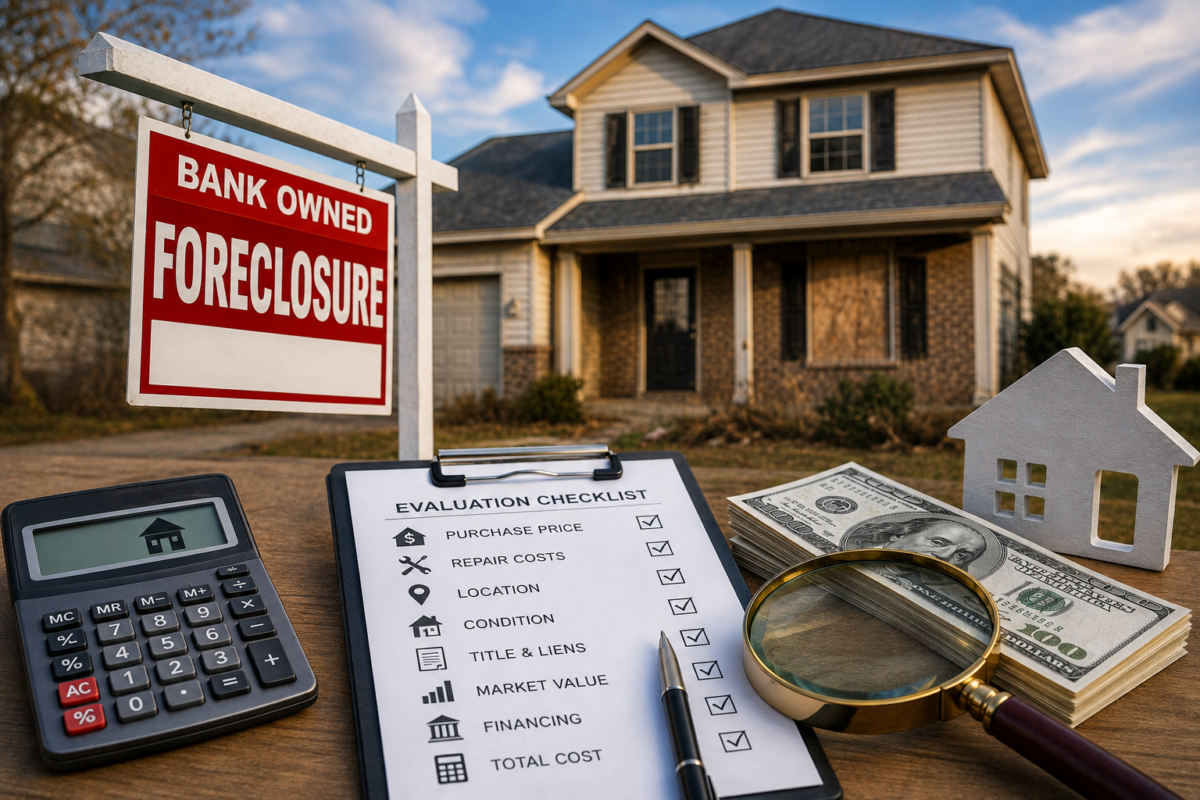
The purchase price is only one part of the financial calculation. Estimate the following costs:

  • Purchase price.
  • Down payment.
  • Closing costs.
  • Inspection and appraisal fees.
  • Immediate repairs.
  • Renovation materials and labor.
  • Utility reconnection or deposits.
  • Property taxes and insurance.
  • Homeowner association charges.
  • Mortgage interest.
  • Temporary housing or storage.
  • Emergency repair reserves.

Add these costs together and compare the result with the price of a similar move-in-ready home. If the total cost is only slightly lower, the traditional home may offer better value because it involves less risk and fewer surprises.

Evaluate the Location

A damaged home in a strong location may be worth considering. A cheap home in an area with declining demand, limited employment, poor transportation, or difficult resale conditions may be a weaker investment.

Study nearby sales, rental demand, schools if relevant to the target buyer, crime information from reliable local sources, planned developments, flood risks, and neighborhood conditions. A renovation cannot easily fix a poor location.

Understand Your Time and Skill Level

Bank-owned homes may be suitable for buyers who have renovation experience, access to reliable contractors, or enough time to manage a project. They may be frustrating for buyers who need to move quickly or have limited experience estimating repair work.

Ask yourself:

  • Can I handle delays?
  • Do I have money available for unexpected repairs?
  • Can I manage contractors and permits?
  • Do I understand the inspection report?
  • Will I still be comfortable with the purchase if repairs cost more than expected?

If the answers are mostly no, a move-in-ready home may be a safer choice.


Steps to Take Before Making an Offer

Get Preapproved for Financing

A mortgage preapproval shows your estimated buying power and helps identify properties within your budget. It also allows your lender to review the property’s condition once you find a home.

If you plan to pay cash, keep enough funds available for repairs, taxes, insurance, and emergencies instead of using all your money on the purchase.

Work With an Experienced Professional

A real estate agent who has handled REO transactions can help explain bank addenda, offer procedures, deadlines, and required documents. A buyer’s agent may also help locate comparable sales and identify concerns in the listing.

Depending on the property and location, you may also need a home inspector, contractor, title company, real estate attorney, insurance agent, or environmental specialist.

Complete a Thorough Inspection

A general home inspection is a starting point, not a guarantee. Additional evaluations may be useful for the roof, foundation, sewer line, septic system, chimney, pests, mold, well, electrical system, or heating and cooling equipment.

Do not skip an inspection simply because the property looks attractive or the lender has already performed an evaluation. A bank’s valuation is usually designed to estimate market value, not provide a complete list of defects for the buyer.

Review the Contract Carefully

Bank-owned sellers may use their own purchase agreements and addenda. These documents may change inspection rights, closing dates, earnest money rules, possession terms, and the seller’s responsibilities.

Read the contract carefully and ask qualified professionals to explain language you do not understand. Pay close attention to deadlines because missing one may cause the offer to be canceled or the deposit to be at risk.

Calculate a Conservative Offer

Begin with the home’s likely market value in good condition. Subtract realistic repair costs, transaction expenses, holding costs, and a contingency reserve. The amount left should support your maximum offer.

This method is more reliable than choosing an offer based only on the bank’s asking price. The bank’s price may not reflect the property’s true condition or the cost of bringing it up to market standards.


Who Should Consider a Bank-Owned Foreclosure?

A bank-owned foreclosure may be worth considering for:

  • Buyers seeking a lower purchase price.
  • Investors who understand renovation and resale calculations.
  • Owner-occupants willing to complete repairs over time.
  • Buyers with strong financing or available cash reserves.
  • People who can tolerate delays and complicated paperwork.
  • Buyers who find a property in a desirable location with manageable defects.

It may not be suitable for:

  • Buyers with no emergency savings.
  • People who need a guaranteed move-in date.
  • Buyers uncomfortable with construction projects.
  • Anyone relying on a very tight monthly budget.
  • Buyers who cannot inspect the home properly.
  • People who are focused only on the advertised discount.

Are Bank-Owned Foreclosures Worth It?

Bank-owned foreclosures can be worth it, but they are not automatically good deals. The best opportunities usually combine a fair purchase price, a desirable location, manageable repairs, a clear title, and a buyer who has enough money and patience to complete the transaction properly.

The safest way to evaluate an REO property is to look beyond the asking price. Inspect the home, estimate repairs, review the title, compare recent sales, confirm financing, and keep a reserve for unexpected costs. If the total investment still makes financial sense after adding everything together, the property may be a worthwhile purchase.

In short, a bank-owned foreclosure is worth considering when the numbers work—not simply because the listing says “foreclosure.”

What Are Common Problems in Foreclosed Homes?

Buying a foreclosed home can sound like a dream come true—after all, who doesn’t love scoring a great deal? But before you start imagining yourself moving in or planning your renovation, it’s important to understand the other side of the coin. Foreclosed homes often come with hidden issues that could turn your bargain purchase into a money-draining project.

Let’s dive into the most common problems buyers run into with foreclosed properties, and how you can spot or prepare for them before making an offer.


1. Neglect and Lack of Maintenance

One of the biggest issues with foreclosed homes is neglect. When homeowners fall behind on their mortgage payments, they often also struggle to keep up with basic home maintenance.

From leaky roofs to broken HVAC systems, many foreclosed homes have gone a long time without proper care. Some common signs of neglect include:

  • Peeling paint or damaged siding.
  • Roof leaks or missing shingles.
  • Clogged gutters and poor drainage.
  • Malfunctioning HVAC or electrical systems.
  • Overgrown yards or dying landscaping.

In some cases, owners may even have started home improvements they couldn’t finish, leaving behind incomplete work or poor-quality repairs.

Tip: Always schedule a professional home inspection before purchasing. An inspector can uncover hidden issues like foundation cracks, structural damage, or mold behind walls that might not be visible at first glance.


2. Vandalism and Theft

Unfortunately, some foreclosed homes stay empty for weeks or even months. During that time, they can become targets for vandalism or theft.

It’s not uncommon to find:

  • Missing appliances, lighting fixtures, or HVAC units.
  • Stolen copper pipes or wiring (a favorite for scrap metal thieves).
  • Broken doors or smashed windows.
  • Graffiti or intentional destruction inside the property.

Former owners who were evicted under stressful circumstances may also damage the property before leaving. While not every foreclosure faces this issue, many do—especially those that have been on the market for a while.

Tip: When touring a foreclosed home, inspect utility systems carefully. Replacing stolen copper wiring or plumbing can add thousands to your repair bill.


3. Water Damage and Mold

Water damage is one of the most expensive problems lurking inside foreclosed homes. It can come from a variety of sources: burst pipes, leaky roofs, or even intentional flooding by frustrated former owners.

Water intrusion often leads to hidden mold, which can spread quickly and pose serious health risks. Some warning signs include:

  • Musty smells and discolored spots on walls or ceilings.
  • Peeling paint or warped flooring.
  • Water stains around windows, doors, or the basement.

If mold has spread behind walls or under flooring, remediation costs can skyrocket. In extreme cases, you might need to replace entire sections of drywall, insulation, and flooring.

Tip: If you see any signs of water intrusion, hire a mold inspector before closing the deal. Even small leaks can turn into major renovation headaches later on.


4. Pest Infestations

When a home sits vacant, pests can easily move in. Rodents, termites, cockroaches, and even birds find abandoned houses the perfect place to nest.

A pest problem can quickly lead to structural damage and hygiene issues. Look for these signs:

  • Droppings in corners, attics, or crawl spaces.
  • Chew marks on wiring or wood.
  • Wood powder near beams or walls (a sign of termites).
  • Buzzing, scratching, or chirping sounds from inside walls.

Addressing an infestation isn’t just about extermination—repairs may be needed for chewed wires, damaged insulation, or weakened wood supports.

Tip: Ask for a pest inspection alongside your general home inspection. It’s a small expense that could save you major repair costs later.


5. Broken or Outdated Systems

Utility systems—including electrical, plumbing, and HVAC—are crucial for any home’s comfort and safety. In foreclosed homes, these systems often break down due to non-use, sabotage, or neglect.

Here’s what you might find:

  • Outdated wiring that doesn’t meet current safety codes.
  • Leaky or rusted plumbing pipes.
  • Malfunctioning furnaces or air conditioners.
  • Damaged water heaters.

If the property was vacant through cold weather, frozen and burst pipes may have caused unseen water damage within walls or basements.

Tip: Turn on utilities during inspection if possible. It helps ensure everything works properly before you finalize the purchase.


6. Title and Legal Issues

While physical problems are common, legal complications can be just as tricky. Sometimes, foreclosed homes come with unresolved title issues that delay or derail a sale.

Common examples include:

  • Outstanding liens from unpaid taxes or homeowner association fees.
  • Former owners refusing to vacate.
  • Missing or incomplete documentation from the bank.

These issues could delay closing or even result in unexpected financial liability after purchase.

Tip: Work with a real estate agent or attorney experienced in foreclosures, and always purchase title insurance. It’s your best protection against legal surprises.


7. Outdated or Unsafe Structures

Some foreclosed homes haven’t been updated in decades. Beyond cosmetic issues, outdated structures can pose safety hazards.

You might find:

  • Asbestos in old insulation or tiles.
  • Lead-based paint in homes built before 1978.
  • Unpermitted additions or DIY renovations.
  • Weak foundation or unsafe decks.

Updating old homes to meet current safety codes often adds unexpected costs for new buyers.

Tip: Get estimates from a contractor before buying. That way, you’ll know how much you’ll really need to spend to bring the house up to standard.


8. Unpleasant Odors and Stains

Vacant homes often develop unpleasant smells. Whether it’s pet odors, cigarette smoke, mold, or even stale air, bad smells can stick to carpets, walls, and vents.

In more severe cases, you might encounter stained carpets, smoke residue, or water-damaged walls—all of which require deep cleaning or replacement.

Tip: While some odors can be removed with professional cleaning, others may require replacing flooring, repainting, or even treating ductwork. Don’t underestimate how persistent odor issues can be.


9. Exterior and Curb Appeal Issues

Curb appeal is often the first casualty in foreclosures. Overgrown lawns, peeling paint, broken fences, or damaged driveways can make a home look worse than it really is.

Although these are mostly cosmetic problems, they still cost time and money to fix. Plus, neglected landscaping can hide more serious issues like soil erosion or grading problems that cause water to pool near the foundation.

Tip: Rehabilitating a home’s exterior improves not only its appearance but also its long-term value. A little landscaping can go a long way toward restoring charm.


10. Unseen Structural Damage

Some of the worst problems in foreclosed homes are the ones you can’t see right away. Structural issues are particularly concerning because they affect the home’s safety and integrity.

Potential hidden problems include:

  • Foundation cracks or settling.
  • Issues with load-bearing walls or beams.
  • Rotting floor joists.
  • Significant termite damage.

Repairing structural damage can quickly become expensive and may require permits or specialized contractors.

Tip: Don’t skip the structural inspection. Even if a home looks fine on the surface, stress cracks or uneven floors may hint at deeper problems.


11. Hidden Costs After Purchase

Even after you’ve dealt with visible repairs, hidden costs can still surface. For instance:

  • Reconnecting utilities may have fees.
  • Local code violations might require fixes before move-in.
  • Property taxes and HOA fees could be higher than expected.
  • Insurance may cost more due to the property’s condition.

A foreclosed home might seem like a great deal upfront, but these extra costs can shrink your savings fast.

Tip: Budget an additional 10–15% of the purchase price for unforeseen repairs and fees. It’s better to overestimate than be caught off guard.


12. Emotional and Time Commitment

Many buyers don’t anticipate how emotionally and physically exhausting buying a foreclosed property can be. Between negotiating with banks, waiting for approvals, dealing with repairs, and handling paperwork, the process can take months.

Restoring a neglected home requires patience and commitment—not just money.

Tip: If your goal is to move in quickly, a foreclosure might not be the right fit. But if you’re up for a project and see potential in bringing a property back to life, it could be a rewarding challenge.


13. Tips to Protect Yourself When Buying a Foreclosure

To safeguard your investment, consider these best practices:

  1. Get a thorough inspection. Don’t skip any step, from structural to pest and mold checks.
  2. Work with professionals. An experienced agent, inspector, and lawyer can help you navigate the process safely.
  3. Research the property’s history. Check for liens, unpaid taxes, or known damage reports.
  4. Budget for extra repairs. Build a contingency fund. Unexpected issues will likely come up.
  5. Act quickly but wisely. Foreclosures can attract multiple buyers—stay informed and realistic about your limits.

Buying a Foreclosed Home

Buying a foreclosed home can be both exciting and risky. The potential for savings makes them attractive, but hidden problems can turn those savings into expenses if you’re not careful.

Most of the issues—neglect, water damage, theft, pests, or maintenance—can be resolved with the right planning and budget. The key is to approach the process with open eyes, do proper due diligence, and have a professional team by your side.

When handled smartly, turning a troubled foreclosure into a cozy home can be one of the most satisfying real estate moves you’ll ever make.


Would you like me to make this post more SEO-optimized with headings and meta descriptions for your blog platform?

Add to follow-up

Check sources

Are REO Properties a Good Deal? Everything You Need to Know Before You Buy

If you’re searching for a bargain in real estate, you’ve probably stumbled across the term “REO property.” You might be wondering: Are REO properties a good deal, or are they just a headache in disguise? Let’s break down what REO properties are, the pros and cons, and whether you should consider snapping one up for your next home or investment.


What Are REO Properties?

REO stands for “Real Estate Owned,” and it refers to properties that have gone through the foreclosure process and are now owned by a lender—usually a bank. These homes didn’t sell at auction, so the bank is left holding the keys and is eager to get them off their books. You’ll often see REO properties listed as “bank-owned” homes.

Banks aren’t in the business of being landlords or homeowners. They want to recover their losses quickly, so they often price REO properties below market value to encourage a fast sale. This creates an opportunity for buyers looking for a deal.


Why REO Properties Can Be a Good Deal

Discounted Prices

The biggest draw of REO properties is the price. Banks are usually motivated sellers, and they often list these homes at a discount compared to similar properties in the area. If you’re hunting for a bargain, REOs are worth a look.

No Outstanding Liens or Taxes

One of the headaches of buying a foreclosure can be dealing with unpaid property taxes or other liens. With REO properties, the bank typically clears all outstanding debts, so you get a clean title and don’t inherit someone else’s bills.

Negotiation Power

Because banks want to sell quickly, you often have more room to negotiate on price or terms than with a traditional seller. If you’re prepared, you might be able to score an even better deal.

Potential for High Return on Investment

For investors, REO properties can be a goldmine. You can buy at a discount, rehab the property, and either flip it for a profit or rent it out for steady income. If you have the skills (or the right team), the numbers can work in your favor.


Risks and Challenges of Buying REO Properties

Sold As-Is

REO properties are almost always sold “as is.” The bank isn’t going to make repairs or spruce up the place before handing over the keys. Many REO homes have been neglected, and some may need major repairs to be livable. You’ll want to budget for renovations and get a thorough home inspection before committing.

Potential for High Repair Costs

Because previous owners may have struggled financially, maintenance is often deferred. Some REO properties need only cosmetic fixes, but others can require tens of thousands of dollars in repairs. Always factor in these costs when calculating whether you’re getting a true deal.

Limited Disclosures

Banks don’t have to disclose much about the property’s condition. Unlike a traditional seller, they probably haven’t lived in the home and may not know about hidden issues. This makes inspections and due diligence extra important.

Possible Occupancy Issues

If the property is a multi-family home or rental, there may still be tenants living there. You could become a landlord overnight, whether you want to or not, and you’ll need to follow local laws about tenant rights and leases. Make sure you understand what you’re getting into.

Competitive Market

Everyone loves a bargain, so REO properties can attract multiple offers, especially in hot markets. You’ll need to act quickly and have your financing lined up to compete with other buyers.

Complex Buying Process

Purchasing an REO isn’t always as straightforward as a regular home sale. Banks have their own processes and paperwork, and contracts are often written in their favor. It’s smart to hire a real estate agent experienced with REOs and consider consulting a lawyer to review the contract.


How to Decide if an REO Property Is Right for You

Do Your Homework

Before making an offer, research the property thoroughly. Get a professional inspection and appraisal, and check the title to make sure there are no surprises. If you’re not comfortable with the potential risks, it might not be the right deal for you.

Calculate the True Cost

Don’t just look at the sticker price. Add up the cost of repairs, closing costs, and any other expenses. Compare this total to the market value of similar homes in the area to see if you’re really getting a bargain.

Have Your Financing Ready

Banks want to close quickly and won’t wait around for you to get your finances in order. Have your pre-approval letter or proof of funds ready so you can move fast.

Know Your Exit Strategy

If you’re buying as an investment, have a clear plan for how you’ll make money on the property—whether that’s flipping, renting, or holding for appreciation. If you’re buying as a primary residence, make sure you’re comfortable living through any needed renovations.


Are REO Properties a Good Deal? The Bottom Line

REO properties can absolutely be a good deal, but they’re not for everyone. If you’re looking for a move-in-ready home with minimal hassle, an REO might not be the best fit. But if you’re willing to roll up your sleeves, do your homework, and take on some risk, you can score a property below market value and potentially build significant equity.

You’ll need to be prepared for the challenges—especially repairs, limited disclosures, and a sometimes-complicated buying process. But with careful planning and the right team, you can turn an REO property into a great investment or a home that’s truly your own.

In summary: REO properties are a good deal for buyers who are prepared, resourceful, and willing to take on a project. They’re not a shortcut to easy riches, but with the right approach, they can offer real value and opportunity.


Quick Tips for Buying REO Properties

  • Always get a professional inspection and appraisal.
  • Hire an experienced real estate agent and consider a lawyer.
  • Have your financing ready before you make an offer.
  • Budget for repairs and unexpected costs.
  • Do your research on the neighborhood and comparable sales.
  • Be ready to act fast in a competitive market.

If you’re up for the challenge, an REO property could be your ticket to a great deal in real estate. Happy house hunting!

Can You Wholesale REO Properties?

Everything You Need to Know About Wholesaling Bank-Owned Homes

If you’re interested in real estate wholesaling, you’ve probably heard about REO properties and wondered if you can wholesale them. The short answer is yes, you can wholesale REO (Real Estate Owned) properties, but the process comes with unique challenges and rules compared to wholesaling privately owned homes. In this guide, you’ll discover exactly how wholesaling REO properties works, what you need to watch out for, and how to set yourself up for success.


What Are REO Properties and Why Are They Wholesale Targets?

REO properties are homes that have gone through the foreclosure process and are now owned by a bank or lender. Banks are often motivated to sell these properties quickly, sometimes at prices below market value, making them attractive opportunities for investors and wholesalers.

You can think of REOs as “distressed” properties, but instead of dealing with individual homeowners, you’re negotiating with institutions. This changes the game, but it doesn’t mean you can’t play. In fact, many wholesalers specifically target REOs because banks want these properties off their books, and that urgency can lead to deals with strong profit potential.


Can You Legally Wholesale REO Properties?

Yes, you can wholesale REO properties, but you need to understand the legal and practical differences compared to wholesaling traditional homes. Wholesaling, in general, is legal in most states, but the specifics—especially with REOs—depend on your location and the bank’s requirements.

Here’s what you need to keep in mind:

  • Assignment Clauses: Many banks that own REOs use contracts that prohibit assignment. This means you can’t simply assign your purchase contract to another buyer, which is the classic wholesaling method.
  • Double Closing: If assignment isn’t allowed, you may need to use a double closing (buying and immediately reselling the property) or an entity assignment (selling the LLC that holds the contract).
  • Licensing: Some states require you to have a real estate license to wholesale properties, especially if you’re doing multiple transactions or marketing the property publicly.
  • Disclosure: Full transparency is required. You must clearly disclose your intentions to all parties, especially if you’re not the end buyer.

How Does Wholesaling an REO Property Work?

Wholesaling REOs follows the same basic principles as traditional wholesaling, but there are a few extra hoops to jump through. Here’s a step-by-step breakdown of how you can wholesale an REO property:

1. Build Your Buyers List

Before you even start looking for REOs, develop a list of cash buyers—usually investors—who are interested in distressed properties. Knowing what your buyers want helps you target the right deals and move quickly when you find one.

2. Find REO Properties

You can find REO properties through:

  • MLS (Multiple Listing Service)
  • Bank and lender websites
  • Online auction sites
  • Local real estate agents who specialize in REOs
  • Public records and foreclosure lists

Look for properties that have been on the market for a while or need repairs. These are more likely to be discounted and attractive to your buyers.

3. Analyze the Deal

Do your homework! Calculate the after-repair value (ARV) of the property, estimate repair costs, and determine your maximum allowable offer (MAO). Remember, your buyer will want to pay no more than 70% of the ARV minus repairs and your fee.

4. Make an Offer and Get the Property Under Contract

When you make an offer on an REO, be prepared to show proof of funds and possibly put down a larger deposit than you would with a private seller. Banks want to see that you’re serious and capable of closing the deal.

Tips for getting your offer accepted:

  • Offer a larger deposit (10% is often recommended).
  • Waive inspections if you’re confident about the property’s condition (this can make your offer more attractive to the bank).
  • Be ready to move quickly—banks don’t want to wait.

5. Understand the Contract Terms

Carefully review the bank’s contract. Many REO contracts do not allow assignment, so you’ll need to plan for a double closing or entity assignment if you can’t assign the contract directly.

  • Double Closing: You buy the property from the bank and immediately resell it to your end buyer, often on the same day. This requires you to have access to funds or transactional funding.
  • Entity Assignment: You form an LLC, put the property under contract in the LLC’s name, and then sell the LLC to your buyer.

6. Find Your End Buyer

Once you have the property under contract, market it to your buyers list. Since you’re dealing with REOs, your buyers will usually be investors looking for fix-and-flip or rental opportunities.

7. Close the Deal

Depending on the contract, you’ll either assign the contract (if allowed), do a double closing, or transfer the LLC. Once the deal closes, you collect your wholesale fee, which can range from a few thousand dollars to much more, depending on the property and market.


Challenges and Tips for Wholesaling REO Properties

Wholesaling REOs isn’t as simple as wholesaling privately owned homes, but it’s definitely possible if you’re prepared. Here are some common challenges and how to overcome them:

1. Assignment Restrictions:


Banks often use contracts that prohibit assignment. If you can’t assign, use a double closing or entity assignment. Make sure you have access to funding for the double closing, either your own or through a transactional lender.

2. Larger Deposits Required:


Banks want to see serious buyers, so be prepared to put down a larger earnest money deposit—sometimes up to 10% of the purchase price.

3. No Inspection Periods:


Banks may prefer offers that waive inspections, especially if they’ve had deals fall through before. Only waive inspections if you’re confident about the property’s condition or have done your due diligence.

4. Licensing Requirements:


Check your state’s laws. Some states require wholesalers to be licensed real estate agents, especially if you’re doing multiple deals or advertising the property to the public.

5. Competition:


REO properties attract a lot of attention from investors, so you’ll need to act quickly and make strong offers.

6. Working With Bank Timelines:


Banks can be slow to respond, and their processes are often more rigid than those of private sellers. Be patient but persistent.


Pros and Cons of Wholesaling REO Properties

Let’s break down the main advantages and drawbacks so you know what to expect:

ProsCons
Discounted pricesAssignment often not allowed
Motivated sellers (banks)Larger deposits required
High demand among investorsMay need a license in some states
Potential for quick profitsBanks can be slow and inflexible
No emotional sellersCompetition is fierce

Frequently Asked Questions

Can you wholesale REO properties with no money?

Technically, yes, if you use assignment and the contract allows it. However, with REOs, you’ll often need a larger deposit and may need to fund a double closing, so having access to capital or transactional funding is crucial.

Do you need a real estate license to wholesale REOs?

Not always, but some states require it, especially if you’re doing multiple deals or advertising properties. Always check your local laws and consider working with a licensed broker if needed.

What’s the difference between wholesaling an REO and a traditional property?

With REOs, you’re dealing with banks instead of individuals, which means stricter contracts, less flexibility, and more competition. However, the potential for profit is still strong if you know how to navigate the process.

How do you find buyers for REO wholesale deals?

Build a list of cash buyers—usually investors—before you start. Network at real estate meetups, online forums, and through local agents. The more buyers you have, the faster you can move your deals.


Is Wholesaling REO Properties Right for You?

Wholesaling REO properties is absolutely possible, and many investors have built successful businesses doing just that. The process is a bit more complex than wholesaling privately owned homes, mainly because of bank restrictions and contract terms. If you’re willing to learn the rules, build your network, and act quickly, you can profit from wholesaling REOs.

Remember, success in this niche comes down to preparation, persistence, and understanding both your market and the unique requirements of REO transactions. If you’re ready to put in the work, wholesaling REO properties can be a rewarding way to grow your real estate business and help investors find great deals.

So, can you wholesale REO properties? Yes, you can—and now you know how to get started!

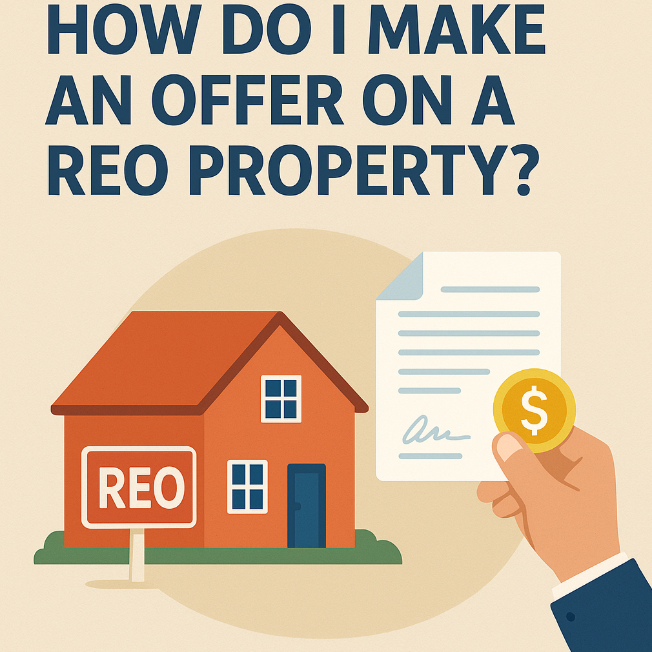
How Do I Make an Offer on a REO Property?

Buying a Real Estate Owned (REO) property can be a fantastic way to score a deal, but the process is different from a traditional home purchase. You’ll need to be prepared, quick on your feet, and ready to show the bank that you’re a serious buyer. Let’s break down exactly how you can make a winning offer on an REO property, step by step.


Understanding REO Properties

REO stands for Real Estate Owned, which means the property has been foreclosed on and is now owned by a bank or lender. The bank’s main goal is to sell the property as soon as possible, usually “as-is,” and recoup as much of their investment as they can. Because of this, banks are often motivated sellers, but they also have strict processes and little patience for buyers who aren’t prepared.

Step 1: Do Your Homework

Before you even think about making an offer, you need to research the property and the market.

  • Check the property’s history. Find out how much it sold for previously, what it was listed for at auction, and the amount of the previous loan. This helps you understand what the bank might accept.
  • Analyze the local market. Look at comparable sales in the area to determine a fair offer price. Don’t just assume the bank will accept a lowball offer-they often have appraisals and Broker Price Opinions (BPOs) to guide them.
  • Research the listing agent. Some agents specialize in REO sales. Understanding how they price and negotiate can give you an edge.
  • Find out about competition. Ask if there are multiple offers. If there are, be prepared for a “highest and best” scenario, where you’ll need to submit your top offer.

Step 2: Get Your Financing in Order

Banks want to see that you can close quickly and reliably. This means you need your money lined up before you make an offer.

  • If you’re paying cash: Get a recent bank statement or proof of funds letter. Black out sensitive info, but make sure it clearly shows you have the funds available.
  • If you’re using financing: Get a pre-approval letter from your lender. This is stronger than a pre-qualification and shows the bank you’re ready to go. If possible, get pre-approved by the bank selling the property-they may favor buyers who use their own lending department.
  • Don’t change lenders mid-escrow. Banks hate surprises, and switching financing can jeopardize your deal.

Step 3: Prepare a Strong Offer

REO properties are sold differently than regular homes. Here’s how you can make your offer stand out:

  • Use the right contract. Banks and their agents often require you to use their specific forms or the local Realtor Board contract. Don’t ask for blank contracts-find them online or ask your agent for help.
  • Include earnest money. A deposit of 1-2% of the purchase price is typical, but offering more can show you’re serious. Some buyers put down 10% to get the bank’s attention. Attach a copy of your deposit check with your offer.
  • Limit contingencies. The fewer “outs” you have, the stronger your offer looks. Always include a title search contingency, but consider waiving inspection or financing contingencies if you’re confident and want to beat out the competition.
  • Avoid “and/or assigns.” Banks don’t like assignment clauses in contracts. If you’re wholesaling, plan to do a double closing instead.
  • Offer a quick closing. Banks love speed. If you can close in 30 days or less, your offer will stand out. Some buyers even offer to close in 7 days, though banks may not always be ready that fast.
  • Shorten inspection periods. If you do include an inspection, make it as short as possible. Banks want to know you’re not going to drag things out.
  • Don’t expect repairs. REO properties are almost always sold “as-is.” Don’t ask the bank to make repairs-they won’t, and it could hurt your chances.

Step 4: Submit Your Offer the Right Way

The process for submitting an offer on an REO is a bit different from a regular sale.

  • Follow the listing agent’s instructions. They’ll often ask for an “Offer Worksheet” summarizing price, terms, concessions, and closing dates. This makes it easier for the bank’s asset manager to review your offer.
  • Include all required documents. This usually means:
    • The completed contract form
    • Copy of your deposit check
    • Proof of funds or pre-approval letter
    • Any addenda required by the bank or listing agent
  • Be prepared for a verbal acceptance first. Banks may give a verbal “yes” before sending the official counteroffer or acceptance paperwork. Don’t celebrate yet-the deal isn’t final until you have everything signed.
  • Understand the bank’s timeline. It can take a few days to get a response, especially if there are multiple offers. Once accepted, you’ll usually have 30–45 days to close, but always check the seller’s counteroffer for the actual deadline.

Step 5: Negotiate-But Don’t Push Your Luck

With REO properties, the bank usually won’t negotiate much after accepting your offer. Get all your terms sorted before you sign. If you try to renegotiate after acceptance, you risk losing the deal or facing penalties.

  • Don’t submit extremely low offers without justification. Banks have done their homework and aren’t interested in “shady” or unrealistic deals. Only offer significantly below asking if you have solid reasons, like major repairs or market data to back you up.
  • Be ready to respond to “highest and best.” If there are multiple offers, the bank may ask all buyers to submit their best and final terms. Decide ahead of time what your maximum is, and don’t get caught up in a bidding war you can’t afford.

Step 6: Stay on Top of the Process

Once your offer is accepted, the clock starts ticking.

  • Meet all deadlines. Banks impose penalties for late closings, and you could lose your deposit if you miss key dates.
  • Coordinate inspections, appraisals, and loan processing quickly. Don’t let anything fall through the cracks-banks expect you to keep things moving.
  • Don’t change terms mid-escrow. Stick with the lender and loan program you started with, or you could jeopardize your deal.
  • Read the bank’s addendum carefully. This document often overrides parts of your original contract and can include penalties and special conditions.

Tips to Make Your REO Offer Stand Out

  • Pay cash if possible. Cash offers are king with banks-they close faster and have fewer complications.
  • Offer a larger earnest money deposit. This shows you’re committed and reduces the bank’s risk.
  • Be flexible on closing dates. If the bank needs more time, show you’re willing to work with them, but don’t let the process drag out unnecessarily.
  • Waive or shorten inspections. If you’re comfortable with the property’s condition, this can give you an edge over other buyers.
  • Split or cover closing costs. Offering to pay some of the bank’s fees can make your offer more attractive.
  • Have your paperwork ready. Banks move quickly when they want to, so don’t be the buyer who holds things up.

Common Mistakes to Avoid

  • Submitting incomplete offers. Missing documents or information can get your offer tossed aside.
  • Lowballing without reason. Banks know the market and won’t entertain offers that aren’t supported by data.
  • Dragging your feet. REO deals move fast. If you’re not ready, you’ll lose out to more prepared buyers.
  • Not reading the fine print. Bank addenda can change important terms-always review them carefully before signing.
  • Assuming the bank will negotiate repairs or price after acceptance. Once the deal is signed, the bank expects you to close as agreed.

Making REO Property Offers

Making an offer on an REO property can be a great way to get a deal, but it’s not for the unprepared. Do your research, get your financing lined up, and submit a strong, clean offer with all the necessary documents. Be ready to move quickly, stick to deadlines, and don’t expect the bank to bend over backwards-they want a buyer who can close fast and hassle-free.

If you follow these steps, you’ll put yourself in the best position to have your offer accepted and snag that REO property you’ve been eyeing. Happy house hunting!

Is Buying an REO a Good Idea? Everything You Need to Know

If you’re hunting for a home or investment property and have stumbled across the term “REO,” you’re probably wondering if buying one is a smart move. REO stands for “Real Estate Owned,” and these properties are owned by lenders-usually banks or mortgage investors-after failing to sell at foreclosure auctions. They’re often sold at a discount, but, as with any deal that seems too good to be true, there are pros and cons you need to know. Let’s break down what makes REO properties unique, why they might be a good idea for you, and what to watch out for before making an offer.

What Exactly Is an REO Property?

An REO property is a home that’s been repossessed by a lender after the previous owner defaulted on their mortgage and the property didn’t sell at auction. Instead of sitting on the bank’s books, these properties are put up for sale, often at prices below market value to attract buyers quickly. The lender’s main goal is to recover as much of their investment as possible, so you’ll often find REOs listed at a discount compared to similar homes in the area.

REO properties aren’t just foreclosures-they’re the next step. If a home doesn’t sell during the foreclosure process, it becomes REO. Sometimes, homes also become REO after the previous owner passes away and heirs don’t want the property or can’t pay off the mortgage.

The Pros of Buying an REO Property

Discounted Prices

You’re likely to find REO properties listed at prices well below the local market average. Banks are motivated to sell quickly, so you might even have room to negotiate further, especially if you’re a serious buyer with financing in place. Some REOs are listed at least 20% below market value, making them attractive for budget-conscious buyers or investors looking for a deal.

No Outstanding Liens or Taxes

One big advantage of buying an REO is that the lender typically clears any outstanding property taxes or liens before selling. This means you don’t have to worry about inheriting someone else’s unpaid bills, which can be a risk with other types of distressed properties.

Motivated Sellers

Banks and mortgage lenders aren’t in the business of holding onto homes. The longer a property sits on their books, the more it costs them. This motivation can work in your favor, giving you more leverage to negotiate price, closing costs, or other concessions.

Potential for Investment Returns

If you’re an investor, REO properties can offer strong returns. You might buy at a discount, renovate, and sell for a profit, or turn the property into a rental. Either way, the lower upfront cost can help boost your overall return on investment.


The Cons of Buying an REO Property

Sold “As-Is”

REO properties are almost always sold in “as-is” condition. This means you take on all repairs, big or small. Since many previous owners were struggling financially, maintenance and upkeep may have been neglected. You could be looking at anything from outdated appliances to major structural issues. Always budget for repairs, and consider a professional inspection before finalizing your offer.

Potential for Hidden Problems

Because these homes are sold as-is, you might not know exactly what you’re getting until you dig in. Issues with plumbing, electrical, roofing, or even pests can crop up, and the bank won’t fix them for you. Plan to set aside 1%–3% of the purchase price each year for maintenance, and possibly more if the home is in rough shape.

Special Warranty Deeds

Unlike a traditional home sale, you might not get a general warranty deed with an REO. Instead, you could receive a special warranty deed, which offers less protection against title issues. It’s wise to invest in a title search and consider an owner’s title insurance policy to protect yourself from any surprises.

Possible Tenant Issues

Some REO properties may still have tenants or even the previous owner living in them. If you’re buying a multi-family or investment property, you may have to honor existing leases and give tenants proper notice before moving forward. The Protecting Tenants at Foreclosure Act requires at least 90 days’ notice for tenants in many cases.

Competition and Additional Costs

Depending on the market, REO properties can attract a lot of interest from investors and bargain hunters. This competition can drive up prices or make it harder to snag a deal. You’ll also need to budget for potential attorney fees, securing the property, and any immediate repairs needed to make the home livable.


Is Buying an REO a Good Idea for You?

You might be wondering if an REO is the right fit for your situation. Here’s how to decide:

  • You’re on a tight budget: If you want to stretch your dollars, REOs can offer significant savings compared to traditional listings.
  • You’re handy or willing to tackle renovations: If you’re comfortable with repairs and upgrades, you can turn a distressed property into a gem and possibly build equity quickly.
  • You’re an investor: REOs can be a goldmine for house flippers or landlords looking for properties to renovate and rent out.
  • You want a straightforward sale: With no unpaid taxes or liens to worry about, REOs can be less complicated than other distressed properties.

However, REOs might not be a good idea if:

  • You want a move-in ready home: If you’re not prepared to deal with repairs, the “as-is” condition of most REOs could be overwhelming.
  • You’re risk-averse: Hidden problems and the lack of a full warranty can be stressful if you’re not comfortable with uncertainty.
  • You need to move quickly: Sometimes, the process of buying an REO can take longer due to extra paperwork or issues with property condition.

Tips for Successfully Buying an REO Property

  • Get pre-approved for financing: Banks love serious buyers who are ready to close quickly. Having your financing lined up can give you an edge over the competition.
  • Work with a real estate agent experienced in REOs: These sales can be more complex than traditional deals, so having an expert on your side is invaluable.
  • Order a thorough inspection: Don’t skip this step. You want to know exactly what repairs you’re facing before you buy.
  • Do a title search: Even though banks clear most liens, it’s smart to double-check for any hidden title issues.
  • Budget for repairs: Assume you’ll need to spend money on fixes, and factor that into your offer price.
  • Negotiate: Don’t be afraid to ask for a lower price or concessions, especially if the inspection turns up big problems.

REO Properties vs. Other Foreclosures

FeatureREO PropertyForeclosure Auction Property
PriceOften below market valueCan be below market, but less predictable
ConditionSold “as-is,” may need repairsSold “as-is,” often sight unseen
Liens/TitlesUsually cleared by lenderMay have outstanding liens or taxes
Purchase ProcessMore like a traditional saleAuction process, often cash only
Buyer ProtectionsSome, but less than traditional saleMinimal protections

Should You Buy an REO?

Buying an REO can be a great idea if you’re looking for a bargain, are comfortable with repairs, and want to avoid the risk of outstanding liens or taxes. You’ll need to do your homework, budget for the unexpected, and work with professionals who know the ins and outs of these unique properties.

If you’re prepared for the challenges and excited by the potential rewards, an REO could be your ticket to a great deal-whether you’re searching for your next home or your next investment. Just remember: a little caution and a lot of research go a long way in making your REO purchase a success.

How Long Do REO Homes Take to Close?

If you’re considering purchasing a Real Estate Owned (REO) property, one of the first questions that might come to mind is, “How long does it take to close?” The timeline for closing on an REO home can vary based on several factors, including the bank’s processes, the buyer’s preparedness, and potential legal or title issues. Let’s break it down so you know what to expect.

What Is an REO Property?

Before diving into timelines, it’s important to understand what an REO property is. An REO (Real Estate Owned) home is a property that has gone through foreclosure and failed to sell at auction. The lender or bank then takes ownership of the property and lists it for sale. Unlike traditional home sales, REO transactions involve institutions rather than individual sellers, which can make the process more complex and time-consuming.


Typical Timeline for Closing on an REO Home

The time it takes to close on an REO property depends on various factors. While some transactions can move quickly, others may encounter delays. Here’s a general breakdown:

1. Initial Offer and Negotiation

  • Once you submit an offer on an REO home, the bank will review it. This process can take anywhere from a few days to several weeks, depending on how many offers the bank is handling.
  • Banks are less likely to negotiate extensively compared to individual sellers. They often prioritize quick sales but may take longer to respond due to internal bureaucracy.

2. Escrow Period

  • After your offer is accepted, the escrow process begins. This typically takes 30–45 days for most REO properties but could extend up to 60 days or more if complications arise.
  • During this time, tasks like inspections, appraisals, and title searches are completed.

3. Title Clearance

  • One of the most common delays in REO transactions is clearing the title. Banks must ensure there are no liens or unresolved legal issues tied to the property.
  • This step can take several weeks, especially if there are outstanding taxes or other encumbrances.

4. Loan Underwriting

  • If you’re financing your purchase with a mortgage, your lender will need time for underwriting. This process usually takes 10–20 business days, provided all documentation is in order.
  • Delays can occur if additional paperwork or clarifications are needed.

5. Closing Process

  • Once all conditions are met, the closing process itself typically takes 3–7 business days for an REO property. This includes signing documents, transferring funds, and recording the deed.

Factors That Can Delay Closing

While some REO transactions close within 30–45 days, others can take much longer due to specific challenges associated with these properties:

1. Title Issues

  • Many REO homes have complicated histories involving unpaid taxes, liens, or other legal disputes that must be resolved before closing.

2. Bank Inefficiencies

  • Banks often manage large portfolios of REO properties and may lack the resources to handle transactions efficiently. Delays in communication or document processing are common.

3. Repairs and Inspections

  • If significant repairs are required or issues arise during inspections, this could delay closing as negotiations over repairs or credits take place.

4. Buyer Financing

  • Buyers who are not pre-approved for a mortgage may face delays during loan underwriting. It’s essential to have financing lined up before making an offer.

How Can You Speed Up the Process?

While some delays are out of your control, there are steps you can take to ensure a smoother transaction:

  • Get Pre-Approved: Having your mortgage pre-approved shows the bank you’re a serious buyer and speeds up loan processing.
  • Work with Experienced Professionals: Hire a real estate agent and escrow company familiar with REO transactions.
  • Be Organized: Submit all required documents promptly during the escrow process.
  • Order Inspections Early: Schedule inspections as soon as your offer is accepted to avoid last-minute surprises.

What’s the Fastest You Can Close on an REO Home?

In ideal circumstances—where there are no title issues, financing is pre-approved, and inspections go smoothly—you could close on an REO property within 30 days. However, this is not typical for most transactions due to the complexities involved.


Closing on an REO home generally takes longer than traditional home purchases due to factors like title clearance and bank inefficiencies. While 30–45 days is common for straightforward cases, some transactions may stretch beyond 60 days if complications arise. By staying organized and working with knowledgeable professionals, you can help minimize delays and move into your new home sooner!

Can You Negotiate REO Properties? Find Out Now!

Real estate owned (REO) properties can be a goldmine for savvy investors and homebuyers. These properties, owned by banks or lenders after foreclosure auctions, often come with the potential for negotiation. If you’re wondering whether you can negotiate on REO properties, the short answer is a resounding yes. Let’s dive into how you can navigate this process effectively and secure a deal that works for you.

Understanding REO Properties

REO properties are those that didn’t sell at a foreclosure auction and have reverted to the ownership of the bank or lending institution. Banks aren’t in the business of property management, so they are often motivated to sell these properties quickly. This motivation can be your leverage in negotiations.

Why Banks Sell REO Properties: Banks prefer to get these properties off their books as quickly as possible. Holding onto them involves costs like maintenance, insurance, and taxes. Selling them helps the bank recover losses from the original loan.

The Condition of REO Properties: REOs are frequently sold “as-is,” meaning the bank won’t make any repairs. This can be a double-edged sword. While you might face some immediate repair costs, it also gives you room to negotiate a lower purchase price.

Preparing to Negotiate

Before you jump into negotiations, there are several steps you should take to prepare. Proper preparation can significantly increase your chances of a successful negotiation.

Get Pre-Approved for a Mortgage: Like any home purchase, getting pre-approved for a mortgage is crucial. This shows the bank that you’re a serious buyer and can secure financing. It also streamlines the closing process, making your offer more attractive.

Work with an Experienced Real Estate Agent: A real estate agent who knows REOs can be invaluable. They have access to the Multiple Listing Service (MLS) and can guide you through the complexities of REO transactions. Their expertise can help you identify potential issues and negotiate effectively.

Research the Property’s History: Look into the history of the property. Was it vacant for a long time? What was its condition before foreclosure? Are there any existing liens against the home? Knowing these details can give you insights into potential negotiation points.

Do a Comparative Market Analysis (CMA): Perform your own CMA to understand the market value of similar homes in the area. This will help you determine if the bank’s asking price is reasonable and where you have room to negotiate.

Negotiation Strategies for REO Properties

Negotiating for an REO property requires a strategic approach. Banks are looking to recoup their losses, but they also want to avoid holding onto the property for too long. Here’s how to navigate the negotiation process.

Making an Offer: Banks often negotiate on the bids they receive. They rarely accept the first offer outright. Submit your “highest and best offer,” but be prepared to negotiate further.

Be Competitive: Banks are pricing properties to sell, and in many cases, they receive offers close to or even above the asking price. Lowball offers might be ignored, especially in high-demand areas.

Consider the Days on Market: Check how long the property has been on the market. If it’s been listed for a while, the bank may be more willing to negotiate. Banks often reduce prices monthly until they find a buyer.

Negotiate Repairs or Credits: REOs are sold as-is, but you can request repairs or credits for significant issues found during the inspection. If the inspection reveals serious problems that devalue the home, you’ll have more negotiating power.

Act Quickly: Banks prefer buyers who can close quickly. Having your financing in order and being ready to move forward can give you an edge over other potential buyers.

Be Prepared for Addendums: Banks have their own rules and addendums to the standard real estate contract. Review these carefully and understand what you’re agreeing to.

Look for government-owned properties: Government agencies sometimes have REO listings. Check websites like The HUD Home Store, Fannie Mae’s HomePath, and Freddie Mac’s HomeSteps.

What to Expect During the Negotiation Process

Bidding Wars: It’s not uncommon for REO properties to attract multiple offers, leading to a bidding war. Be prepared to increase your offer if necessary, but always keep your budget and financial goals in mind.

Delays: REO transactions can sometimes take longer than traditional home sales. Banks have internal processes and may not be as responsive as individual sellers. Be patient but persistent.

Limited Information: Banks may have limited information about the property’s history or condition. It’s crucial to do your own due diligence and rely on inspections to uncover any potential issues.

As-Is Sales: Banks typically sell REO properties as-is, meaning they won’t make repairs. Factor potential repair costs into your offer and be prepared to handle any necessary work after the sale.

Maximizing Your Chances of Success

Offer a Fair Price: While you want to get a good deal, avoid making unreasonably low offers. Banks are looking to recoup their losses and may reject offers that are too far below market value.

Be Flexible: Be willing to compromise on certain aspects of the deal. For example, you might offer a slightly higher price in exchange for the bank covering some of the closing costs.

Highlight Your Strengths: Emphasize what makes you an attractive buyer. This could include your pre-approved financing, your willingness to close quickly, or your experience with similar properties.

Be Patient and Persistent: The REO negotiation process can be challenging, so stay patient and persistent. Don’t get discouraged by initial setbacks and be prepared to keep negotiating until you reach an agreement.

Consider Cash Offers: Banks may prefer cash buyers for a quicker sale. If you have the funds available, a cash offer can make your bid more competitive.

Final Thoughts

Negotiating REO properties can be a rewarding experience if you approach it with the right mindset and strategies. By understanding the REO landscape, preparing thoroughly, and employing effective negotiation tactics, you can increase your chances of securing a great deal on a bank-owned property. Remember to work with experienced professionals, do your due diligence, and be patient throughout the process. Happy negotiating!

What should a buyer and buyer’s agent do when purchasing an REO property?

When you’re looking to buy a Real Estate Owned (REO) property, it’s essential to understand the process and how it differs from traditional home buying. REO properties are bank-owned homes that have been repossessed due to foreclosure. Here’s what you and your buyer’s agent should do when purchasing an REO property.

Step 1: Research and Locate REO Properties

You start by researching local markets for REO properties. Websites like Fannie Mae’s HomePath, Freddie Mac’s HomeSteps, and the Department of Housing and Urban Development (HUD) Home Store are great resources. You can also use Multiple Listing Services (MLS) to find REO listings. Working with a real estate agent who specializes in REO properties can be incredibly helpful. They have insider knowledge and can guide you through the process.

Step 2: Evaluate the Property

Once you’ve found an REO property that interests you, it’s time to evaluate it. Drive by the property to get a feel for the neighborhood and its condition. Since REO properties are sold “as is,” hiring a home inspector is crucial. This will help you understand any potential issues or needed repairs. Review all documentation provided by the lender to ensure you’re fully informed.

Step 3: Submit an Offer

If you decide to move forward, you’ll need to submit an offer to the lender. This is typically done through the lender’s REO website or with the help of your real estate agent. Make sure your offer includes any necessary documents and a down payment. Lenders often require pre-approval for financing to ensure you’re a serious buyer.

Step 4: Negotiate and Close

After submitting your offer, the lender will either accept it, reject it, or negotiate. Be prepared to negotiate the terms of the sale. Once your offer is accepted, you’ll need to complete the paperwork for the loan application and verify the title deed. Finally, make the final payment and sign the homeownership transfer papers.


Understanding REO Properties

What Are REO Properties?

REO properties are homes that have been repossessed by banks or lenders due to foreclosure. These properties are then sold to recover the loan amount. Because they are often priced lower than market value, REO properties can be attractive to investors and homebuyers looking for a deal.

Advantages of Buying REO Properties

  • Lower Prices: REO properties are frequently sold at discounted prices, making them more affordable.
  • Quick Sales Process: Banks typically want to sell REO properties quickly, which can speed up the buying process.
  • Financing Options: You can finance an REO property using a mortgage, similar to buying a traditional home.

Disadvantages of Buying REO Properties

  • Sold “As Is”: REO properties are sold in their current condition, meaning you’ll be responsible for any repairs.
  • Potential for Hidden Issues: Since you’re buying “as is,” there might be hidden problems with the property.
  • Limited Negotiation: Banks often have less room for negotiation on price compared to private sellers.

Role of the Buyer’s Agent

Your buyer’s agent plays a crucial role in the REO buying process. Here’s what they can do for you:

Finding the Right Property

A good agent will help you locate REO properties that fit your criteria and budget. They can access listings that might not be available to the general public and provide valuable insights into the local market.

Navigating the Process

Your agent will guide you through the process of submitting an offer and negotiating with the lender. They can help ensure that your offer is competitive and includes all necessary documentation.

Inspections and Due Diligence

Your agent can recommend home inspectors and help you understand the condition of the property. They’ll also assist in reviewing all documentation provided by the lender to ensure you’re fully informed.


Tips for Buyers

Be Prepared for Inspections

Since REO properties are sold “as is,” it’s crucial to include an inspection contingency in your offer. This allows you to back out of the sale if significant issues are found.

Understand Financing Options

Pre-approval is essential when buying an REO property. Ensure you understand the financing options available and any specific requirements for investment properties.

Stay Flexible

Be prepared to negotiate and possibly rebid if your initial offer is not accepted. Banks may receive multiple offers, so it’s important to stay flexible and patient.


Buying an REO property can be a great way to find a home at a lower price, but it requires careful planning and understanding of the process. By working closely with a knowledgeable buyer’s agent and being prepared for the unique aspects of REO properties, you can navigate this process successfully. Remember to stay informed, be flexible, and ensure you’re ready for any challenges that come your way.