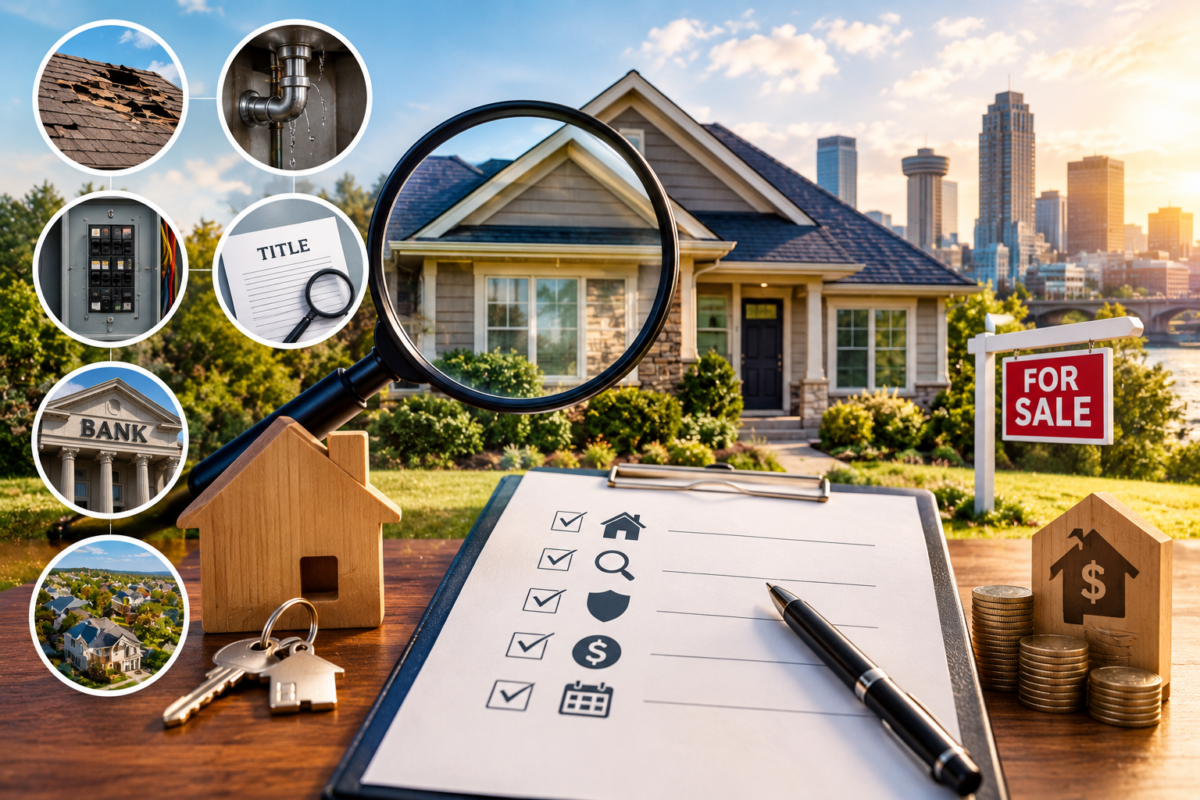
Buying an REO home can feel like finding a hidden treasure. These bank-owned properties sometimes sell below the price of similar homes in the area, which makes them appealing to first-time buyers, investors, and anyone hoping to get more house for their money.
But REO homes are not automatically a bargain. Because they usually come from a foreclosure and are sold “as is,” they can carry repair problems, title issues, financing challenges, and unexpected costs. The good news? Most of these risks can be managed with careful research, a solid inspection, and a realistic budget.
Here are the most common risks with REO homes—and what you can do to protect yourself before you buy.
What Is an REO Home?
An REO home, or Real Estate Owned property, is a home that a lender owns after the previous owner went through foreclosure and the property did not sell at a foreclosure auction. When that happens, the bank or lender takes ownership and usually lists the home for sale through a real estate agent.
Because the lender did not live in the home, it often has limited knowledge of the property’s condition. That is why many REO homes are sold as-is, meaning the bank generally will not make repairs or offer warranties after closing.
That does not mean every REO home is a disaster. Some are in good shape and simply need cosmetic updates. Others, however, may have been vacant for months or years, which can lead to serious maintenance issues.
Risk #1: Hidden Repair Costs
The biggest risk with an REO home is often the condition of the property itself. Homes that go through foreclosure may have deferred maintenance because the previous owner may not have had the money or motivation to keep up with repairs.
Common problems include:
- Leaking roofs
- Plumbing leaks or damaged pipes
- Electrical issues
- HVAC system failures
- Water damage
- Mold or mildew
- Foundation cracks
- Missing appliances, fixtures, or copper wiring
- Pest damage
- Broken windows or doors
A home that looks fine on the surface may still have expensive issues hidden behind walls, under floors, or in the attic. Water damage is especially concerning because it can lead to mold, rot, and structural problems if it was not addressed quickly.
Why “As Is” Matters
Most REO homes are sold as-is. In simple terms, this means the lender sells the property in its current condition and usually will not repair defects before closing. If the roof leaks, the furnace stops working, or the plumbing needs replacement, those costs generally become the buyer’s responsibility.
This is different from buying from a traditional homeowner, who may agree to repair certain issues after an inspection. With an REO purchase, you should assume that any repair cost could land on you.
How To Reduce This Risk
Always get a professional home inspection before closing, even if the property is being sold as-is. An inspection may not obligate the bank to fix anything, but it can help you understand what you are buying and decide whether the deal still makes sense.
It can also help to bring in specialists for bigger concerns. For example, a licensed electrician, plumber, roofer, mold inspector, or structural engineer may be worth the extra cost if the general inspection raises a red flag.
Before making an offer, create a repair budget. Include not only obvious repairs but also a cushion for surprises. A property that needs paint and flooring may be manageable, but a home with roof, foundation, electrical, or plumbing problems can become expensive quickly.
Risk #2: Limited Property Disclosures
When you buy a home from a regular owner-occupant, the seller may be required to disclose certain known issues, depending on your state or local rules. With an REO property, disclosures are often limited because the bank never lived in the home and may not know its history.
That means you may not receive detailed information about:
- Past flooding or water leaks
- Mold problems
- Roof age or prior roof repairs
- Foundation movement
- Electrical or plumbing issues
- Neighborhood concerns
- Insurance claims
- Code violations
This lack of information does not necessarily mean the lender is hiding something. It simply means the bank may not have the same firsthand knowledge as a homeowner would.
How To Reduce This Risk
Do your own detective work. Ask your real estate agent to pull available property records, permits, inspection reports, and disclosure documents. You can also check public records for code violations, liens, unpaid taxes, and other issues connected to the property.
Talk to neighbors if possible. They may know whether the home sat vacant, experienced flooding, had repeated maintenance problems, or was part of a larger neighborhood issue.
Finally, review the REO addendum and purchase contract carefully. These documents often explain the lender’s responsibilities, inspection rules, deadlines, and repair policies. If something is unclear, ask a real estate attorney or experienced agent to review it before you sign.
Risk #3: Title Problems and Outstanding Liens
A title problem is one of the more serious risks with REO homes. Even after foreclosure, certain debts or claims may still be attached to the property if they were not properly cleared before the sale.
Possible title issues include:
- Unpaid property taxes
- Mechanic’s liens
- Homeowners association liens
- Utility liens
- Municipal code-violation liens
- Errors in public records
- Ownership disputes
- Unreleased mortgages or judgments
If a lien survives the foreclosure process and is not discovered before closing, the new buyer could become responsible for dealing with it. That can turn what looked like a great deal into an expensive legal and financial headache.
How To Reduce This Risk
Never skip a title search. A title company or real estate attorney can review the property’s history and look for liens, judgments, unpaid taxes, and other claims that could affect your ownership.
You should also purchase owner’s title insurance, not just the lender’s title insurance required by your mortgage company. Owner’s title insurance can help protect you financially if a covered title issue appears after you buy the home.
Before closing, ask for a clear explanation of any outstanding liens or title exceptions. If the issue cannot be resolved, be prepared to walk away. No discount is worth inheriting a legal mess.
Risk #4: Financing Challenges
Another common REO risk is financing. Some bank-owned homes are in such poor condition that they may not qualify for certain types of mortgage loans. Lenders often want the property to meet minimum safety, structural, and habitability standards before approving financing.
For example, a home with a damaged roof, no working heating system, exposed wiring, or major foundation problems may be difficult to finance with a conventional loan. In those cases, you may need a renovation loan, cash purchase, or specialized financing option.
Common Financing Issues
- The home does not meet lender property standards
- The appraisal comes in lower than the offer price
- Repairs are required before the loan can close
- The buyer needs a renovation loan instead of a standard mortgage
- The lender selling the REO has its own approval process and paperwork
REO transactions can also take longer than expected because the selling bank may require internal approvals, additional documents, or specific contract terms.
How To Reduce This Risk
Get pre-approved before you start shopping. This shows the listing agent that you are a serious buyer and helps you understand what type of loan you may qualify for.
If the home needs work, ask your lender about renovation loan options. Some programs allow buyers to finance both the purchase price and approved repair costs in one loan. This can be useful for REO homes that need updates but have strong long-term potential.
Also, build extra time into your timeline. An REO deal may involve more paperwork and coordination than a typical home sale, so patience can be important.
Risk #5: Vacancy-Related Damage
Many REO homes sit empty for a while before they are sold. Vacancy can create problems that are easy to underestimate, especially if the home was winterized, shut down, or left without regular maintenance.
Common vacancy-related issues include:
- Burst pipes during cold weather
- Mold from unnoticed leaks
- Pest infestations
- Vandalism or theft
- Stolen appliances or copper wiring
- Overgrown landscaping
- Roof leaks that worsen over time
- Sewer or drainage problems
A vacant home may also have utilities turned off, which can make it harder to fully test plumbing, heating, cooling, and electrical systems during an inspection. If utilities cannot be turned on before the inspection, ask whether they can be activated temporarily so important systems can be checked.
How To Reduce This Risk
Ask when the home became vacant and whether it was winterized. Find out whether utilities are on, whether the home has had any recent repairs, and whether there are known issues with water, roof, or drainage.
During the inspection, pay close attention to signs of moisture, such as staining on ceilings, bubbling paint, musty smells, warped flooring, or visible mold. These clues can point to problems that may be more expensive than they first appear.
Risk #6: Competition and Overpaying
REO homes can attract a lot of attention, especially when they are priced below nearby homes. Investors, house flippers, and cash buyers may compete for the same property, which can push the price higher than expected.
The danger is simple: buyers may focus on the low listing price and forget to calculate the full cost of ownership. A home priced $30,000 below market value may not be a deal if it needs $50,000 in repairs.
How To Avoid Overpaying
Before making an offer, compare the REO home with similar properties in the area. Look at recent sales, current listings, condition, location, size, and time on market.
Then calculate your all-in cost:
- Purchase price
- Inspection fees
- Closing costs
- Immediate repairs
- Long-term renovations
- Holding costs
- Property taxes
- Insurance
- HOA fees, if any
- Utility activation costs
A helpful rule is to avoid relying only on the listing price. Focus instead on the total cost to make the home safe, functional, and comfortable.
Risk #7: Delays and Strict Contract Terms
REO purchases can involve more rules than a traditional home sale. The bank may use its own purchase agreement, addendums, deadlines, and approval process. These terms can limit your flexibility, especially when it comes to repairs, inspection periods, and closing dates.
Some REO contracts may state that the buyer accepts the property as-is and cannot request repairs or credits based on inspection findings. Others may have strict deadlines for submitting paperwork or completing due diligence.
How To Reduce This Risk
Read every document before signing. Pay special attention to:
- Inspection deadlines
- Earnest money rules
- Repair and credit policies
- Closing timelines
- Cancellation rights
- As-is language
- Title and survey requirements
Work with a real estate agent who has experience with bank-owned properties. They can help you understand the process, submit a competitive offer, and avoid missing important deadlines.
Risk #8: Neighborhood and Location Issues
Sometimes the problem is not the house itself—it is the location. A low-priced REO home may be inexpensive because the neighborhood has challenges, such as declining property values, high vacancy rates, crime concerns, poor school ratings, or limited buyer demand.
This matters whether you plan to live in the home or rent it out. A property in a weak location can be harder to resell, harder to finance, and less likely to increase in value.
How To Reduce This Risk
Research the neighborhood before you commit. Look at recent comparable sales, local market trends, rental demand, school information, crime statistics, planned development, and nearby property conditions.
Visit the area at different times of day. A street may feel peaceful in the morning but look very different in the evening. This simple step can reveal a lot about noise, traffic, parking, and general neighborhood activity.
Risk #9: Insurance and Habitability Problems
Some REO homes may be difficult to insure if they have major damage or safety issues. Insurance companies may have concerns about a damaged roof, outdated electrical panel, missing heating system, mold, or other conditions that increase risk.
If you cannot get affordable homeowners insurance, you may not be able to close on a mortgage. Even if you can buy the home with cash, poor insurability can make the property harder to protect and resell later.
How To Reduce This Risk
Get an insurance quote early in the process. Do not wait until the final days before closing. Share the property details with your insurance agent and ask whether any known issues could affect coverage or cost.
If the home has serious problems, ask whether the insurer will cover it now, after repairs, or only with a specific type of policy. This information can help you decide whether the purchase is practical.
Risk #10: Emotional Decision-Making
REO homes can be exciting, especially when the price looks attractive. But excitement can lead to costly mistakes. Buyers sometimes fall in love with a property’s potential and ignore major warning signs.
The best REO buyers stay practical. They look beyond fresh paint, staging photos, and a low asking price. They focus on the structure, systems, location, repair costs, and long-term value.
How To Stay Grounded
Before you make an offer, ask yourself:
- Can I afford the purchase price and the repairs?
- Will the home still be a good deal after all costs?
- Do I have enough cash reserves for surprises?
- Does the location fit my goals?
- Am I prepared for an as-is purchase?
- Would I still buy this home at a higher price?
If the answer to any of these questions is no, it may be smarter to keep looking.
Are REO Homes Riskier Than Regular Homes?
REO homes can be riskier than regular homes because they are often sold as-is, may have limited disclosures, and may need repairs. However, they are not automatically bad purchases.
The main difference is responsibility. With a traditional sale, the seller may know the home well and may agree to certain repairs. With an REO sale, the buyer usually takes on more of the condition-related risk.
That is why due diligence matters so much. A careful buyer can still find a solid REO deal, but only after understanding the true cost of the property.
How To Buy an REO Home Safely
If you want to reduce the risks of buying an REO home, follow these steps:
- Get pre-approved for financing. Know your budget before you shop.
- Hire an experienced REO real estate agent. They understand bank-owned property contracts and negotiations.
- Research the property and neighborhood. Check comparable sales, taxes, liens, permits, and local market conditions.
- Get a full home inspection. Consider specialty inspections for roof, foundation, plumbing, electrical, mold, or pests.
- Order a title search and owner’s title insurance. This helps protect you from inherited liens and ownership disputes.
- Get insurance quotes early. Make sure the home can be insured at a reasonable cost.
- Build a repair budget. Include a cushion for unexpected expenses.
- Read every contract document. Understand the as-is terms, deadlines, and cancellation rules.
- Do not skip the numbers. Calculate the total cost, not just the purchase price.
- Be willing to walk away. The best deal is one you can afford to fix, finance, and comfortably own.
REO Homes Offer Real Value
REO homes can offer real value, but they come with risks that buyers should not ignore. The most common issues include hidden repair costs, limited disclosures, title problems, financing hurdles, vacancy damage, and strict contract terms.
The key is to approach an REO purchase with your eyes open. Get a thorough inspection, research the title, understand the as-is terms, and calculate every cost before you commit. When you do that, an REO home can be more than just a cheap property—it can be a smart investment or a great place to call home.